Sunday, April 29, 2007

Fish Tanks

A fish tank, also known as an aquarium, is a tank, bowl or other water-filled enclosure in which aquatic plants and animals - usually fish, and sometimes invertebrates, as well as amphibians, marine mammals and reptiles - are kept in captivity. Fish tanks are typically made of glass or high-strength plastic.
Fish tanks were common in ancient Rome, Egypt, and Asia. Early Sumerians were known to keep wild-caught fish in pools, before preparing them for meals. In China, selective breeding of carp into today’s popular koi and goldfish is said to have started more than 2,000 years ago. The first fish tank to have been made of glass (dating to 1853) is on display in Regent's Park, London.
Fish tanks usually contain fresh or salt water at tropical or cold temperatures. The conditions and characteristics of the fish and other inhabitants help the owner to decide what sort of water or plants need to be in the tank.
A careful aquarist always tries to maintain a fish tank in a manner that resembles its inhabitant’s natural habitat. The water quality is very important, and this means controlling the inflow and outflow of nutrients. The maintenance of a fish tank also requires the careful regulation of temperature, light, and oxygen, controlling the waste produced by tank inhabitants, suitable species selection, management of biological loading, and good physical design.
Aquarium keeping is now a popular hobby around the world. The fish tanks vary in size from a simple bowl housing a single fish to composite simulated ecosystems with carefully engineered support systems. A typical home aquarium contains a filtration system, an artificial lighting system, air pumps, and a heater. Additionally, some freshwater tanks (and most saltwater tanks) use power heads to increase water circulation.
Many universities, marine stations, and wildlife commissions often maintain large freshwater and saltwater fish tanks for research and breeding purposes.

By: Kevin Stith


Fish Tanks provides detailed information on Tanks, Fish Tanks, Dunk Tanks, Septic Tanks and more. Fish Tanks is affiliated with Tankless Electric Water Heaters.

Aquarium and Fish Care Hemigrammus

How to care for Hemigrammus Species

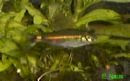
Hemigrammus include the Erythrozonus, Rhodostomus, Flammeus, and so on. The Flammeus comes from the Hyphessobrycon group. The Hemigrammus Erythrozonus species are commonly known as the Glowlight Tetra. The fish at one time was wrongly characterized as the Hyphessobrycon Gracilis. Hemigrammus Erythrozonus comes from British Guiana, and grows 1 ¾ in size. The fish has a glow to its ruby red body. If the fish is kept in unfavorable waters however the colors was change. Hemigrammus Erythrozonus is a friendly fish that dwells well with other fish, excluding the aggressive fish. In addition, Hemigrammus Erythrozonus will eat most foods. The tetra fish are often small and bright colored, and are a member of the Characin family. The fish do well in tropical tanks.

Here is some photos of Hemigrammus fish:


Water conditions:
The tank temperature should remain at 78 degrees or 80 degrees Fahrenheit. The tank should have a dark background setting. In addition, you should enrich the tank with thick plants.

How to breed:
The fish may breed best in peaty waters, or acriflavine methods. To learn more about breeding this fish you will need to consult with the pet shop experts. They will have helpful brochures available. The fish lay up to 400 eggs, which the hatchlings are laid in one day.

Hemigrammus Rhodostomus fish are often called Rummy/Red Nosed Tetra. The fish come from the Amazons and grow to be 2 inches in size. The fish has a brilliantly red colored snout, which this specie has a peaceful nature. The hardy fish will eat all sorts of foodstuff.

Water conditions
You should keep the water conditions at 78 degrees Fahrenheit. The water should be slightly acidy, or reasonably soft. This fish is one of the harder fish to breed, therefore if you are purchasing fish for breeding purposes and do not have skills, check out other fish breeds.


Hyphessobrycon Flammeus fish are commonly referred to as Flame Tetra, or Tetra Von Rio. The fish come from Rio de Janeiro’s neighboring areas. The fish only reach 1 ½ inches in size and are shorter fish specimen than other fish species. The lower part of the fish has a shimmering red color. This fish has a hardy behavior pattern, which makes a good aquarium fish. The fish has minimal expectations on water conditions, and breeds well. The fish will lay up to 200 eggs, which are hatched in one day.

Other species related to the Hemigrammus Erythrozonus is the Hyphessobrycon Pulchripinnis.

The Amazon fish is sometimes called Lemon Tetra. This is a smaller fish which grows around 1 ¾ inches in size. The fish has a distinctive pale lemony color, which includes a brilliant red patch at the upper region of the eye.

The Lemon Tetra is ideal for social tanks. The fish is peaceful in nature and feeds off most foods. The fish prefers softer water conditions, which the temperature should remain at 80 degrees. The fish will also accept living in slight acidy waters. Male Lemon fish have a better color choice. The fish do not breed easy; therefore, if you are attempting to breed this fish try peaty waters.

Paracheirodon innesi is a Neon Tetra Brazilian fish. The fish grows around 1 ¼ in size and is one of the most popular tank fishes sold on the market. The fish has a greenish-blue and deep red body combined. The hardy fish can care for himself amongst smaller and larger fish. The fish generally rests at the bottom of an aquarium, which he will eat all foods. This is another hard to breed fish.


About the Author: John Ugoshowa. For more information about Aquariums and fish care see the art aquarium and fish care section of The Free Ad Forum at: http://www.thefreeadforum.com/infowizards/CAT/Aquariums-Fish-Care_83_1.html
You are welcome to reproduce this article in your ezine or website as long as you include our link and bio above.


Saturday, April 28, 2007

Fish Aquarium


A fish lovers work is never done, some of us that love and appreciate fish know this for a fact, the never ending search for new kinds of fish to place in our aquariums alone is enough to make some people tired already. The maintenance and energy that one needs to put into having an impressive aquarium in his house is something that easily equals a full time job. Nevertheless it is a passion that has touched many, and many more discover that there is something very special and unique to growing fish and having an aquarium of any size in your home.


Fish are very common pets when you think of it, in almost any pet shop you will find an abundance of fish, someone can foolishly think that this means that most people are familiar with the knowledge of growing them, it is not necessarily true. While most of the fish growers enthusiasm starts at a young age, and in fact most of the lovers of fish start as young boys and girls staring at the pet shop window wishing to get some fish, once you have a couple of fish you start realizing that you will have to do much more than just fill a tank of water and feed the fish every couple of days.

With this realization you would also understand that the sum of money that you have intended for this purpose is probably going to be a little bigger than what you initially planed, and form here the story starts. The passion is to have a unique aquarium that holds many different types of fish, to add as many features to the aquarium and make it as harmonious as possible, even as natural as possible to reflect a true way of living in a sense.

Since the fish market has much to offer a aquarium fish grower can almost never run out of more options to make his aquarium richer and more colorful, but also healthier and stronger. The race in the technology in providing better aquarium equipment that we maintain the aquarium needs better is never ending, the products are not very expensive at first but as you start to grow you aquarium to larger sizes you will need to invest wisely in the maintenance produces you use.

The last part of the article is devoted to the design of the aquarium, we have all seen those movies in which the bad guy has a huge aquarium with sharks swimming round in it, this is somewhat the average dream for the average fish grower, and although it is not probable that many growers will get this, some will, but everyone tries and makes their fish aquarium look better. The design of the aquarium has a lot to do with the person that has it, it is not only the basic design of the aquarium, but of what is in it, what it uses as an aquarium stand and the placing of the whole thing. A lot of effort goes into this part and I hope that when you spot a nice aquarium you let the owner know he is doing something right.

By: Daniel Roshard -

Article Directory: http://www.articledashboard.com


Daniel Roshard is an interior designer fascinated by outdoor architecture, he is currently studying public parks and outdoor design. Daniel is writing articles about landscaping and Aquariums here.